

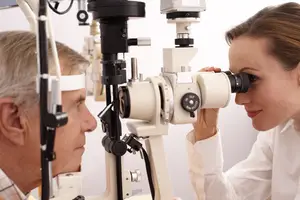
Diabetes can be quiet. Changes inside your eyes can be quiet, too.
You may read the eye chart clearly and notice nothing unusual while diabetes is beginning to affect the tiny blood vessels in your retina. That is why waiting for blurry vision is not a safe way to monitor diabetic eye health.
A comprehensive dilated diabetic eye exam gives your eye doctor an opportunity to identify early changes—often before they interfere with everyday sight.
At SolidSIGHT Eyecare, Dr. Clara Le combines careful examination, advanced retinal imaging, and clear explanations to help patients with diabetes protect the vision they depend on.
Because your eyes deserve more than a quick glance.
How Can Diabetes Affect Your Eyes?
Diabetes affects how the body manages blood sugar. Over time, elevated blood sugar can damage blood vessels throughout the body, including the delicate vessels that nourish the retina.
The retina is the light-sensitive tissue at the back of the eye. It receives visual information and sends it to the brain, allowing you to see.
When retinal blood vessels become damaged, they may:
-
Weaken or swell
-
Leak blood or fluid
-
Close and reduce the retina’s oxygen supply
-
Trigger the growth of abnormal new vessels
These changes may lead to diabetic retinopathy. Fluid leaking near the center of the retina can also cause diabetic macular edema, which may affect the detailed vision used for reading, driving, and recognizing faces.
People with diabetes may also have a greater risk of developing cataracts and glaucoma.
The important thing to remember is that these conditions can begin while vision still seems completely normal.
Diabetic Retinopathy Does Not Always Give a Warning
In its early stages, diabetic retinopathy may not cause pain, redness, or noticeable changes in vision.
That can make it easy to assume everything is fine. Unfortunately, clear vision does not always mean the retinal blood vessels are healthy.
As diabetic eye disease progresses, symptoms may include:
-
Blurry or fluctuating vision
-
Dark spots or new floaters
-
Distorted central vision
-
Faded or washed-out colors
-
Difficulty reading
-
Trouble seeing at night
-
Empty or dark areas in the visual field
-
Sudden vision loss
Do not wait for these symptoms before arranging an examination. Early detection allows your eye-care team to monitor changes, coordinate appropriate care, and refer you for treatment when necessary.
Why Regular Diabetic Eye Exams Matter
A diabetic eye exam gives you something valuable: time.
It gives Dr. Le time to identify a change before you notice it, document a baseline, compare findings, and determine whether your eyes need closer monitoring.
Most people with diabetes need regular comprehensive dilated eye examinations. The exact schedule depends on the type of diabetes, how long you have had it, previous examination results, pregnancy, blood sugar management, and whether retinopathy is already present.
Current American Diabetes Association guidance generally recommends:
-
People with type 2 diabetes receive an initial comprehensive dilated eye examination when they are diagnosed.
-
Adults with type 1 diabetes receive an initial examination within five years after diabetes begins.
-
Patients with diabetic retinopathy receive at least annual monitoring, with more frequent examinations when the condition is progressing or threatens sight.
-
Some patients with consistently normal results and well-managed diabetes may be advised by their eye doctor to return every one to two years.
Your primary care doctor, endocrinologist, or eye doctor can help determine the schedule that is right for you.
The most important step is not to let a recommended examination quietly fall off your healthcare calendar.
What Happens During a Diabetic Eye Exam?
A diabetic eye exam is thorough, but it should not feel intimidating.
Dr. Le begins by reviewing your medical history and asking about:
-
Your type of diabetes
-
How long you have had it
-
Your medications
-
Recent changes in blood sugar
-
Blood pressure and cholesterol
-
Previous eye findings or treatment
-
Changes in your vision
-
Pregnancy or plans for pregnancy
-
The other doctors involved in your care
Your examination may include:
-
Distance and near vision testing
-
A glasses or contact-lens prescription check
-
Eye-pressure measurement
-
Examination of the front and back of the eyes
-
Dilating drops to provide a wider view of the retina
-
Retinal photography
-
OCT imaging when appropriate
-
Additional testing based on your findings
Dilating drops temporarily widen the pupils so Dr. Le can examine more of the retina. Your near vision may become blurry and your eyes may feel more sensitive to light for a few hours afterward. Consider bringing sunglasses and arranging transportation if you are uncomfortable driving while dilated.
Not every patient needs every imaging test at every appointment. Dr. Le selects testing based on your history, symptoms, risks, and examination findings.
A Closer Look with Advanced Retinal Technology
At SolidSIGHT Eyecare, we use advanced diagnostic technology to document and monitor the parts of the eye that diabetes may affect.
Retinal Photography
Our retinal camera captures a color image of the retina, including its blood vessels, macula, and optic nerve.
These images provide a visual record of your eye health. Comparing them over time can help Dr. Le recognize new bleeding, vessel changes, retinal spots, or other findings that require attention.
Topcon Maestro 2 OCT Imaging
Optical coherence tomography, or OCT, creates detailed cross-sectional images of the retina.
An OCT scan can help identify or monitor swelling and structural changes, including fluid associated with diabetic macular edema. The scan is quick, painless, and non-invasive.
Retinal photography and OCT provide valuable information, but they do not automatically replace a comprehensive dilated examination. Dr. Le uses each tool when appropriate as part of the broader clinical picture.
Technology helps us see the details. Personal care helps us decide what those details mean for you.
What Happens If Dr. Le Finds a Change?
An abnormal finding does not automatically mean that you will lose your vision.
The next step depends on what Dr. Le sees, how advanced the condition appears, and whether the finding has changed since your previous visit.
Your care plan may include:
-
More frequent monitoring
-
Sharing findings with your primary care doctor or endocrinologist
-
Supporting improved blood sugar, blood pressure, or cholesterol management
-
Referral to an ophthalmologist or retinal specialist
-
Additional diagnostic testing
-
Treatment by an appropriate specialist when needed
Treatments for more advanced diabetic retinopathy or diabetic macular edema may include eye injections, laser procedures, or surgery. Dr. Le will explain the findings and help coordinate referral when specialist care is necessary.
You will not be handed a scan and left to figure it out alone.
Your Eye Exam Is Part of Whole-Body Diabetes Care
Your eyes are connected to the rest of your health.
Managing blood sugar, blood pressure, and cholesterol can reduce the risk or slow the progression of diabetic retinopathy. Keeping medical appointments and taking medication as directed are also important parts of protecting your sight.
Your eye examination can provide useful information to the healthcare professionals managing your diabetes. With your permission, Dr. Le can communicate relevant findings to your primary care physician or endocrinologist.
This coordinated approach helps everyone see the same picture and make better-informed decisions about your care.
When Should You Seek Urgent Eye Care?
Regular monitoring helps detect gradual changes, but certain symptoms should not wait for your next scheduled diabetic eye exam.
Contact SolidSIGHT Eyecare promptly if you notice:
-
Sudden blurry vision
-
A sudden increase in floaters
-
Flashes of light
-
A dark curtain or shadow
-
New missing areas in your vision
-
Sudden distortion
-
Eye pain
-
Sudden loss of vision
Our emergency eye-care services are available for urgent concerns during practice hours. Same-day visits or walk-in care may be available when possible.
Severe symptoms occurring outside office hours may require immediate emergency medical attention.
Diabetic Eye Care That Feels Personal
Living with diabetes already involves appointments, numbers, medications, and decisions. Eye care should not add confusion to the list.
At SolidSIGHT Eyecare, Dr. Clara Le takes time to listen, examine your eyes carefully, and explain the results in language that makes sense.
Our multilingual team welcomes patients in English, Vietnamese, and Spanish. Whether this is your first diabetic eye exam or you need ongoing eye disease management, we want you to feel informed, supported, and comfortable asking questions.
You will find us in Haltom City’s Korean Town district, behind McDonald’s and sharing a welcoming space with Flossophy Dental Studio. We also serve patients from North Richland Hills, Richland Hills, Hurst, and surrounding communities.
We provide detailed medical eye care with a local, personal touch.
Frequently Asked Questions About Diabetic Eye Exams
Do I need a diabetic eye exam if my vision is clear?
Yes. Diabetic retinopathy may develop without noticeable symptoms. A comprehensive dilated eye examination can reveal retinal changes before they interfere with vision.
How often should someone with diabetes have an eye exam?
Many people with diabetes need an examination every year, but the schedule should be individualized. Some patients with consistently normal findings and well-managed diabetes may be advised to return every one to two years. Patients with retinopathy may need more frequent monitoring.
Is retinal photography the same as a dilated eye exam?
No. Retinal photography creates useful images of the back of the eye, but it does not always replace a comprehensive dilated examination. Dr. Le will recommend the testing appropriate for your eyes.
Will my eyes be dilated?
Dilation is commonly used during diabetic eye examinations because it allows a broader view of the retina. Dr. Le will determine whether dilation is needed at your appointment.
Can diabetic retinopathy be treated?
Yes. Treatment may help slow progression, prevent vision loss, and sometimes improve vision. The recommended care depends on the stage and type of disease, which is why early detection and appropriate referral matter.
Should I have an eye exam when I am diagnosed with type 2 diabetes?
Yes. People with type 2 diabetes should generally receive a comprehensive dilated eye examination at diagnosis because blood sugar may have been elevated before diabetes was identified.
Can blood sugar changes temporarily affect my vision?
Yes. Significant changes in blood sugar can temporarily alter the shape of the eye’s natural lens and cause blurred or fluctuating vision. Persistent or sudden changes still require professional evaluation.
Give Your Eyes a Voice Before Your Vision Changes
Diabetes may move quietly, but a thorough eye examination can help reveal what is happening beneath the surface.
Regular diabetic eye care allows Dr. Le to document your retinal health, detect changes, communicate with your healthcare team, and guide you toward the next step when needed.
Do not wait for blurred or distorted vision to make eye health a priority.
Request your diabetic eye exam or call (682) 786-5571.
SolidSIGHT Eyecare, 3910 NE Loop 820, Suite 100, Haltom City, Texas, 76117
Let’s keep your sight—and your care plan—rock solid.