

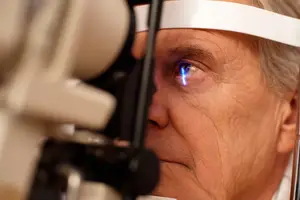
Aging changes how the eyes work, yet many people find the shift happens slowly. Vision may feel steady one season and suddenly different the next. For adults over the age of 60 in SolidSIGHT Eyecare, the need for routine eye care grows stronger with each passing year.
Senior eye care differs from the care people need in their thirties or forties. Eye conditions such as cataracts, glaucoma, dry eye, age-related macular degeneration AMD, and diabetic eye disease become more common with age. A comprehensive eye exam for elderly patients helps detect early warning signs, guide treatment, and protect vision that shapes everyday life.
How Often Should Older Adults Have Eye Exams
Most seniors benefit from an annual eye exam. Some patients need visits more often if they have diabetes, high blood pressure, a family history of eye conditions, or previous eye surgery such as cataract surgery. These appointments give our eye doctor a clear view of the retina, optic nerve, and lens. They also help track changes that seniors may not notice with day-to-day vision.
Many people in SolidSIGHT Eyecare live active lives. They drive, handle daily tasks, care for others, and manage their own health conditions. A routine eye exam supports all of that. Seniors often ask how often they should have eye exams, seeking clear guidance. Annual visits are a simple schedule that offers strong protection against vision loss.
Common Age-Related Eye Conditions in Seniors
Age brings natural changes to the eyes. Some changes feel minor, yet others begin to affect reading, driving, or recognizing faces. Understanding the eye conditions in elderly patients helps families spot concerns early and seek care at SolidSIGHT Eyecare.
Cataracts
A cataract forms when the lens becomes cloudy. Most people develop cataracts as they reach the common age of 60 and beyond. Vision may look dim or yellow, and glare from headlights often grows stronger. Cataract surgery corrects this by replacing the cloudy lens with a clear one.
Glaucoma
Glaucoma harms the optic nerve. It can progress quietly without symptoms at first. Early detection through regular eye exams protects long-term vision.
Age-Related Macular Degeneration AMD
AMD affects central vision, making reading and recognizing faces more difficult. Routine eye exams help reveal early changes before major vision loss develops.
Dry Eye
Dry eye grows more common with age. Seniors may feel burning or irritation, or they may need eye drops often. Air conditioning, heating, and screen time in SolidSIGHT Eyecare can worsen this eye condition.
Diabetic Eye Disease
Diabetes can damage small blood vessels in the eye. Seniors with diabetes need consistent eye care to prevent severe vision loss.
Why Early Detection Matters for Senior Eye Health
Vision loss often begins quietly. Many eye diseases progress without pain, and seniors may not realize that slow changes signal something deeper. Early detection offers a chance to protect vision before daily life becomes harder. A routine eye exam can reveal problems long before symptoms appear. This helps us plan treatment, adjust eye drops, recommend eyewear, or suggest lifestyle habits such as wearing sunglasses to protect the eyes outdoors.
Early detection also helps seniors stay safe. Clear vision supports balance, reduces fall risk, and helps older adults drive with confidence.
Supporting Seniors in SolidSIGHT Eyecare Through Routine Eye Care
Families often tell us that changes in vision feel unsettling. A sudden shift in clarity or trouble seeing at night can make daily routines harder. Senior eye care at SolidSIGHT Eyecare focuses on steady guidance that helps patients feel prepared and cared for.
During a routine eye exam, our eye doctor checks for early signs of cataracts, glaucoma, AMD, diabetic changes, and dry eye. She also reviews medication use, family history, and overall health conditions that may affect vision. Many seniors find that a single visit brings peace of mind. They leave with a clear understanding of what their eyes need and why follow-up matters.
When to Schedule a Senior Eye Exam
Some signs show that it is time to schedule a comprehensive eye exam for seniors as soon as possible. These include:
- Difficulty seeing road signs or reading
- Strong glare from headlights
- Trouble seeing faces clearly
- Worsening dry eye
- New floaters or flashes of light
- Frequent changes to glasses
- Eye pain or redness
These symptoms deserve attention. Seniors aged 40 and older often experience multiple changes at once. A routine appointment at SolidSIGHT Eyecare helps uncover the cause.
Get Steady Vision for the Years Ahead in SolidSIGHT Eyecare, TX
Growing older brings many changes. Clear vision helps seniors remain active, safe, and confident. Regular eye exams are one of the simplest ways to protect long-term eye health. Senior eye care keeps families connected and helps older adults enjoy the days ahead with clarity.
At SolidSIGHT Eyecare, we guide patients through every stage of aging vision. Our eye care services support early detection, safe driving, fall prevention, and comfort during reading or screen use. Book your senior eye exam for dependable, patient-focused eye care.