

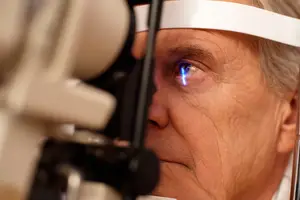
Growing older changes many things—including how your eyes focus, adjust to light, and handle everyday visual tasks.
Some changes are easy to notice. You may need brighter light to read, find yourself holding menus farther away, or take longer to adjust when moving from sunlight into a dim room.
Other changes can develop quietly. Glaucoma, age-related macular degeneration, diabetic eye disease, and certain retinal conditions may begin before they noticeably affect your sight.
That is why regular comprehensive eye exams become increasingly important with age.
At SolidSIGHT Eyecare, Dr. Clara Le combines advanced diagnostic technology with patient, personal care to help older adults in Haltom City protect their sight, independence, and quality of life.
Because aging is natural. Preventable vision loss should not be treated as inevitable.
How Does Vision Change with Age?
Not every age-related vision change signals an eye disease.
Presbyopia, for example, is the gradual loss of the eye’s ability to focus on close objects. It commonly begins during the forties and may make reading glasses, bifocals, or progressive lenses necessary.
Older adults may also notice:
-
Greater difficulty reading in low light
-
More sensitivity to glare
-
Slower adjustment between bright and dark environments
-
Reduced contrast sensitivity
-
Changes in color perception
-
Increased dryness or irritation
-
More difficulty driving at night
-
A need for updated glasses prescriptions
These changes may be part of normal aging, but they can also overlap with symptoms of eye disease. A comprehensive eye exam helps Dr. Le distinguish between expected changes and concerns that need closer attention.
How Often Should Older Adults Have Eye Exams?
The right examination schedule depends on your age, health, medications, family history, previous findings, and risk factors.
Many older adults benefit from a comprehensive eye exam every year. The National Eye Institute recommends that adults over 60—particularly those at increased risk for glaucoma—receive regular dilated examinations, generally every one to two years. Your eye doctor may recommend annual or more frequent appointments based on your individual needs.
You may need closer monitoring if you:
-
Have diabetes or high blood pressure
-
Have a family history of glaucoma or macular degeneration
-
Have elevated eye pressure
-
Take medication that may affect your eyes
-
Have had cataract or other eye surgery
-
Are managing an existing eye disease
-
Notice new or changing vision symptoms
Dr. Le will recommend an appropriate schedule after reviewing your health and examining your eyes.
Common Eye Conditions in Adults Over 60
Some eye conditions become more common with age. Finding them early can create more options for monitoring, treatment, and protecting useful vision.
Cataracts
A cataract develops when the eye’s natural lens becomes cloudy.
Early cataracts may have little effect on daily life. As they progress, you may notice:
-
Blurry or hazy vision
-
Increased glare
-
Halos around lights
-
Faded colors
-
Difficulty driving at night
-
Frequent prescription changes
-
A need for brighter reading light
Updated glasses may help in the early stages. When a cataract begins interfering significantly with daily activities, Dr. Le can discuss cataract surgery and coordinate your care with a trusted surgeon through cataract co-management.
Glaucoma
Glaucoma is a group of conditions that damage the optic nerve. It often progresses without pain or noticeable symptoms until permanent peripheral vision loss has occurred.
Eye-pressure testing is important, but pressure alone cannot provide a complete glaucoma assessment. Dr. Le may also evaluate the optic nerve, retinal structures, family history, and visual field.
Patients with elevated pressure, a family history of glaucoma, or suspicious optic-nerve findings may need additional testing or more frequent monitoring.
Age-Related Macular Degeneration
Age-related macular degeneration, or AMD, affects the macula—the central portion of the retina responsible for detailed vision.
AMD may make it harder to:
-
Read
-
Drive
-
Recognize faces
-
See fine details
-
Distinguish contrast
Early signs can be subtle. Straight lines may appear wavy, or the center of your vision may seem blurry or distorted.
OCT imaging and retinal photography can help Dr. Le document and monitor the macula before changes become obvious in everyday life.
Dry Eye Disease
Dry eye is not always as simple as needing more artificial tears.
Tear production and tear quality can change with age. Medications, health conditions, eyelid changes, heating, air conditioning, and extended screen use may also contribute.
Symptoms can include:
-
Burning or stinging
-
Grittiness
-
Redness
-
Fluctuating vision
-
Light sensitivity
-
Excessive watering
-
Difficulty wearing contact lenses
SolidSIGHT Eyecare offers personalized dry eye management based on the factors contributing to each patient’s symptoms.
Diabetic Eye Disease
Diabetes can damage the small blood vessels in the retina before vision changes become noticeable.
Older adults with diabetes need regular comprehensive dilated eye care according to the schedule recommended by their doctors. Retinal photography and OCT imaging may also help document bleeding, swelling, or other structural changes.
If Dr. Le identifies a concern, she can coordinate with your primary care doctor, endocrinologist, or retinal specialist.
What Happens During a Senior Eye Exam?
A comprehensive eye exam at SolidSIGHT Eyecare is more than a prescription update.
Dr. Le begins by asking about your vision, health, medications, family history, daily activities, and any changes you have noticed. This conversation helps shape the rest of the examination.
Your visit may include:
-
Distance and near vision testing
-
A glasses prescription check
-
Eye-movement and coordination testing
-
Eye-pressure measurement
-
Evaluation of the lens, retina, and optic nerve
-
Dilating drops when appropriate
-
Retinal photography
-
OCT imaging
-
Visual-field testing
-
A discussion of your findings and next steps
Not every patient needs every test. Dr. Le recommends testing according to your symptoms, health, previous results, and risk factors.
You will also have time to ask questions. We want you to understand what we see—not leave the office wondering what it all means.
Advanced Technology for a Closer Look
SolidSIGHT Eyecare has invested in advanced eye-care technology that helps us detect, document, and monitor subtle changes.
Topcon Maestro 2 OCT
OCT imaging creates high-resolution, cross-sectional images of the retina and optic nerve. It can support the detection and monitoring of glaucoma, macular degeneration, diabetic eye disease, and other retinal concerns.
Retinal Photography
Retinal photographs create a color record of the back of the eye. Comparing these images over time helps Dr. Le identify changes involving the optic nerve, macula, blood vessels, and retina.
Inspire Visual Field Testing
The Inspire VR Perimeter uses a comfortable headset to measure peripheral vision. This can help identify vision loss associated with glaucoma, neurological conditions, and other concerns.
Tono-Vera Tonometer
The Tono-Vera measures pressure inside the eye quickly and comfortably. This information supports glaucoma screening and ongoing monitoring.
These tools provide valuable detail, but technology is only one part of the visit. Dr. Le combines test results with your medical history, symptoms, and personal needs to determine the appropriate next step.
Healthy Vision Supports Safety and Independence
Clear, comfortable vision supports much more than reading an eye chart.
It helps older adults:
-
Recognize steps and changes in flooring
-
Move safely through unfamiliar spaces
-
Read medication labels
-
Prepare meals
-
Manage finances
-
Drive more confidently
-
Recognize faces
-
Continue hobbies
-
Remain socially connected
-
Maintain independence
Vision impairment is associated with a greater risk of falls among older adults. An updated prescription and appropriate treatment can form one part of a broader fall-prevention plan.
Eye care cannot prevent every fall, but seeing obstacles, judging distance, and recognizing contrast all play important roles in moving safely.
When Should You Schedule an Eye Exam Sooner?
Do not wait for your next routine appointment if you experience:
-
A sudden change in vision
-
New flashes or floaters
-
A dark curtain or shadow
-
Distorted or wavy central vision
-
New double vision
-
Significant eye pain
-
Persistent redness
-
Sudden light sensitivity
-
A rapid increase in glare
-
Difficulty seeing road signs
-
Frequent prescription changes
Some of these symptoms may indicate an urgent problem. SolidSIGHT Eyecare provides emergency eye care during practice hours, with same-day or walk-in care available when possible.
Severe symptoms occurring outside office hours may require immediate emergency medical attention.
Senior Eye Care That Feels Personal
Medical eye care can be thorough without feeling cold or rushed.
At SolidSIGHT Eyecare, Dr. Clara Le provides thoughtful, personalized care in a warm and welcoming environment. She takes time to listen, explain the findings, and help patients and their families understand what comes next.
Our multilingual team welcomes patients in English, Vietnamese, and Spanish. We are located in Haltom City’s Korean Town district, behind McDonald’s and sharing a beautiful space with Flossophy Dental Studio.
We also welcome older adults and families from North Richland Hills, Richland Hills, Hurst, and nearby communities.
Whether you need a routine examination, a new prescription, or ongoing eye disease management, we are here to help you feel informed and supported.
Frequently Asked Questions About Senior Eye Exams
How often should adults over 60 have an eye exam?
Many older adults benefit from annual comprehensive examinations. Some patients may be advised to return every one to two years, while those with diabetes, glaucoma risk, or diagnosed eye disease may need more frequent care. Dr. Le will recommend a schedule based on your individual risks.
Is vision loss a normal part of aging?
Some changes, such as needing reading glasses or more light, are common with age. Significant vision loss should not simply be accepted as normal. Comprehensive examinations can identify conditions that may be treated or monitored.
Do I need an exam if my glasses still work?
Yes. Your prescription is only one part of the examination. Glaucoma, diabetic eye disease, and macular degeneration may develop even when your current glasses still provide clear vision.
Will my pupils be dilated?
Dilation may be recommended based on your age, health, symptoms, and risk factors. It gives Dr. Le a broader view of the retina and other internal eye structures.
Can an eye exam help reduce my risk of falling?
An examination can identify uncorrected vision problems and eye diseases that may affect contrast, depth perception, or navigation. Fall prevention involves several factors, but maintaining appropriate vision correction is an important part of staying safe.
What are the early signs of cataracts?
Possible signs include glare, halos, faded colors, cloudy vision, difficulty driving at night, and frequent prescription changes. Cataracts often develop gradually.
When are flashes and floaters an emergency?
A sudden increase in floaters, flashes of light, or a dark curtain in your vision requires prompt evaluation because it may indicate a retinal tear or detachment.
Keep Your Vision Strong for the Years Ahead
Your vision helps you remain active, independent, and connected to the people and activities you value.
Regular senior eye exams can identify subtle changes, update your prescription, and help Dr. Le monitor conditions that become more common with age.
If it has been a while since your last comprehensive eye exam, now is a good time to get a clearer picture of your eye health.
Request an appointment or call (682) 786-5571.
SolidSIGHT Eyecare, 3910 NE Loop 820, Suite 100, Haltom City, Texas, 76117
Thoughtful care for vision that stays rock solid.